Archive for February, 2012

Exploring the Afterlife

Tuesday, February 28th, 2012
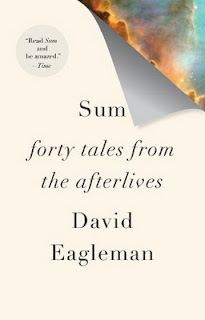
Sum, Forty Tales from the Afterlives, by David Eagleman, is a hugely entertaining, often thought-provoking book. Each very short story describes a quirky version of life after death. There is an afterlife populated only by people you remember; one where you are split into different ages; another where God is a married couple. Listen to Stephen Fry reading one about a highly ordered afterlife. The stories are not so much about theology or God (although He, She, and They do appear as somewhat fallible characters) as about treasuring the life we have now – plus a bit of humour and sci-fi just for fun. Here’s a video interview with Eagleman (a neuroscientist) who describes himself as a ‘Possibilian’– one who explores new ideas. (More novels about the afterlife).
Animal Art

Thursday, February 23rd, 2012

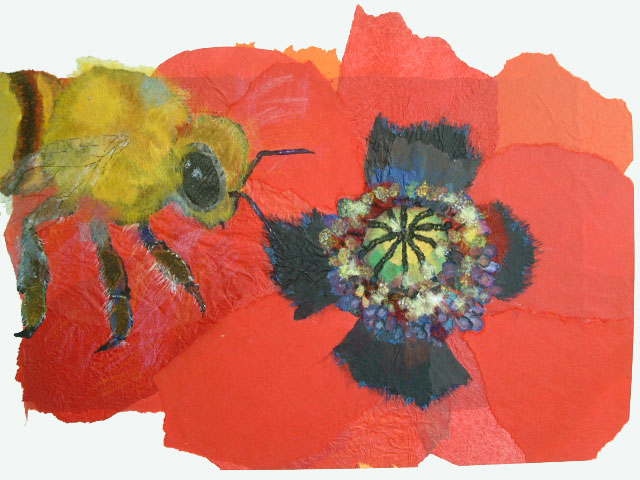
After reading Wolfram’s dramatic story I discovered his daughter’s wonderful art. Alexandra Milton is an animal artist and children’s book illustrator. She creates her creatures by collage, using hand-made papers with mysterious names: Korean mingeishi, Thai silk thread, Himalayan khadi, and Payhembury marbled paper. Her honey bee illustration below is warm and characterful (like bees).

I aim to celebrate all that is to be marvelled at in nature; to catch, in colour and form, a glimpse of the miracle of creation Alexandra Milton

One Year Later

Wednesday, February 22nd, 2012

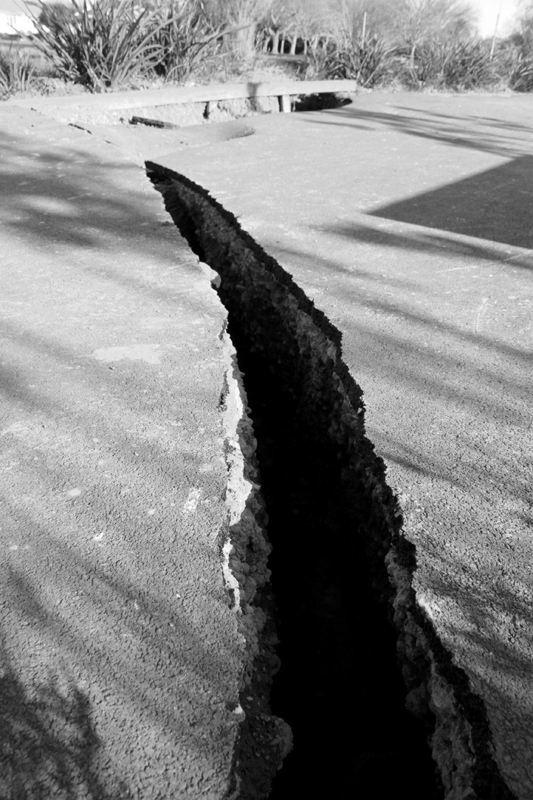
One year ago Christchurch was split apart by an earthquake. This Sunday on National Radio at 4pm there’s a remarkable interview with a survivor of the CTV building collapse. For now, I’m reposting my quake heroes from the day:

  • my 87 year old father who rushed into a madly shaking house to save his wife of 56 years
  • the doctors, nurses and volunteers who nursed my mother with such thoughtfulness under stress
  • the neighbours who gave us drinks and food
  • the motorists who behaved impeccably without traffic lights.
  • the neighbour who saved Dad when the house burned down 2 days later (electrical fault due to quake).

Photo: Allen Carbon

The Boy Who Went To War

Saturday, February 18th, 2012

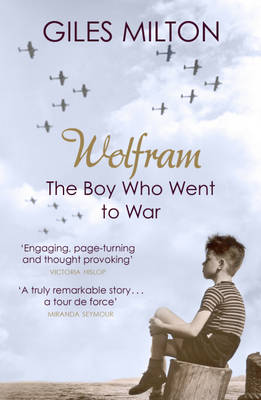
I’ve read many books about Hitler’s Germany but none as remarkable as Wolfram, The Boy Who Went To War, by Giles Milton (Hodder, 2011). It overturns clichés about the War and helps answer the old question ‘Why didn’t more Germans resist Hitler?’

Wolfram was the child of freethinking, artistic parents who resisted by not joining the Nazi Party and refusing to display a swastika flag – their Gestapo file described them as ‘dangerous eccentics’. Wolfram was 9 years old when Hitler came to power in 1933 and spent his childhood trying to avoid the Hitler Youth so he could draw and sculpt. Through his peace-loving family we see how the Nazis tightened their grip through brutality, laws, and a system of local informants.

One can’t help ask, ‘Would I have had the courage to resist?’ Wolfram was conscripted and became part of the War nightmare in Russia and Normandy. The story of his survival is completely gripping. (Note: not a children’s book, but would interest teens.) Wolfram is still alive and you can see his stunning paintings here.

This is a study in enforced conformity as Milton shows how the Nazis became increasingly intrusive in the lives of ordinary Germans Guardian review

Silent Movies

Thursday, February 16th, 2012

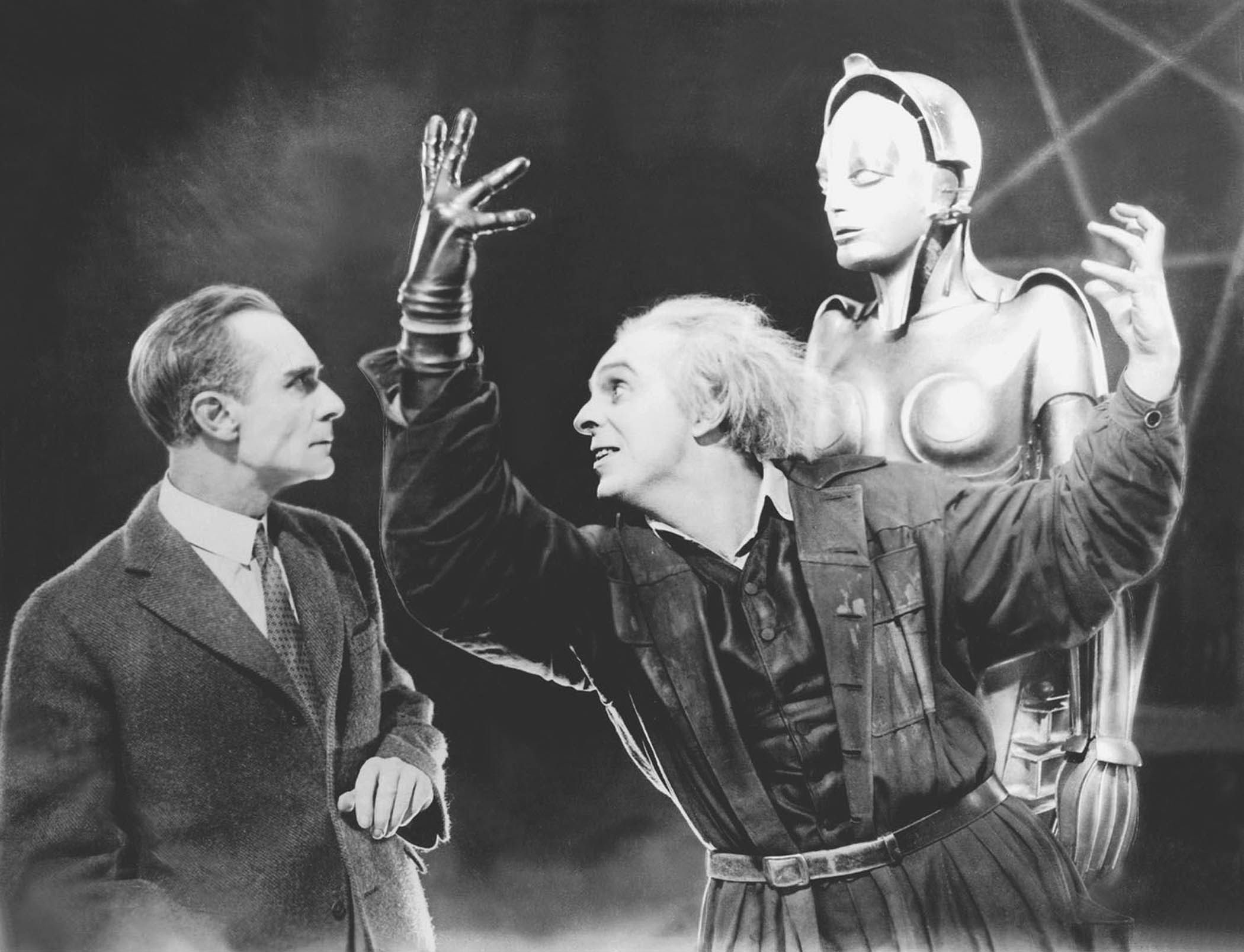
Following up on my review of Hugo, here’s an excellent interview with the author Brian Selznick. The article describes Hugo as ‘a perpetual motion of correspondence‘ between book and film. Fascinating too that The Artist has emerged just now as another gorgeous recreation of silent movies (no talking, no colour, no widescreen, and yes, it works!). My favourite silent movies? Metropolis (photo), and anything with Buster Keaton. Read a New Yorker article about the acting style in silent films.

Silent film is another country. They speak another language there—a language of gestures, stares, flapping mouths, halting or skittering walks, and sometimes movements and expressions of infinite intricacy and beauty. David Denby

Writing Sci-Fi: Beginnings

Tuesday, February 14th, 2012

Once you have decided which aspect of your story is care about most then it’s a good idea to signal this from the very beginning. Orson Scott Card suggests beginning with a question for the reader. A question does two things: it creates tension and it creates a desire to know the answer.

The beginning must make the reader ask questions that are answered by the stories ending. – Orson Scott Card

Examples from different aspects of story:

  • Milieu: Begin with the arrival of a stranger who asks “What makes this place tick?”
  • Idea: Begin with a mystery, such as ‘Whodunnit?’ or ‘Why is weird stuff happening?’
  • Character: Begin with a character asking ‘How can I change?’
  • Event:  Begin with a character asking ‘How can I survive this/save the world?’.

Ray Bradbury is good at posing questions in the opening of his short stories. A Sound of Thunder begins with an explorer asking “Does this [time] safari guarantee I come back alive?”. The ending provides a satisying answer– ‘you will come back alive but you’ll wish you hadn’t.’

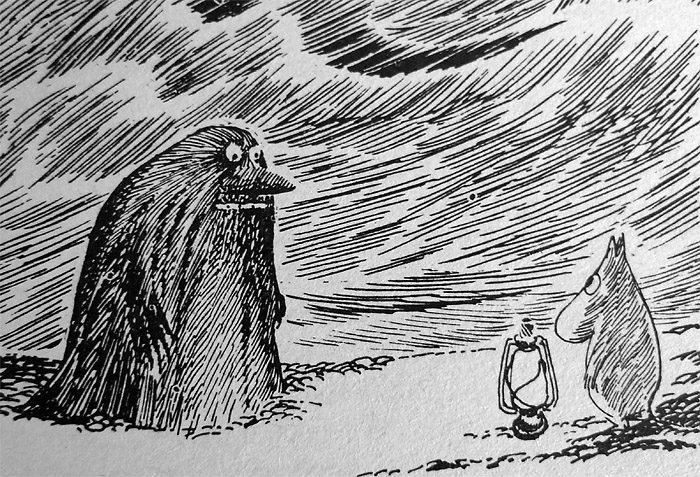
Misunderstood Monster

Sunday, February 12th, 2012

The Groke (Moomins)

Writing Sci-Fi: Structure

Friday, February 10th, 2012

In his wonderful book How to Write Science Fiction and Fantasy (p.76), novelist Orson Scott Card says all stories contain 4 basic aspects: Milieu, Idea, Character and Event (MICE!). Here are some sci-fi examples (YA):

  • Milieu: about a world or a society. Eg. Running Out of Time by Margaret Haddix about time travel to a past society.
  • Idea: begins with a mystery to answer. Eg. Protus Rising by Ken Catran, murder mystery in space.
  • Character: about character transformation. Eg.The House of Scorpion by Nancy Farmer about a clone who develops values.
  • Event: when something goes wrong in the world. Eg. Box by Penelope Todd about an epidemic that strikes New Zealand.

Which aspect of the story matters most to you? That is the aspect that will give you the story’s structure. – Orson Scott Card